
Burkina Faso has signed the final administrative document of a historic nuclear agreement with Russia, marking a significant milestone in its peaceful pursuit of nuclear energy. This agreement, managed by Rosatom, Russia’s state-owned atomic energy company, marks the end of a series of steps, including a roadmap and multiple memoranda of understanding finalized in 2024.

Main Elements of the Agreement
Nuclear Infrastructure Development: The deal focuses on building nuclear infrastructure in Burkina Faso, with Rosatom providing expertise and support in constructing nuclear power plants and research reactors.
Peaceful Purposes: The cooperation is explicitly for peaceful uses, including energy generation, medicine, agriculture, and the use of radioisotopes in industry.
Nuclear Fuel Cycle Support: Rosatom will supply nuclear fuel and offer waste management services, placing Russia at the core of Burkina Faso’s nuclear ambitions.
Training and Regulation: The agreement includes training of Burkinabe specialists and assistance in establishing regulatory frameworks for nuclear and radiation safety, aligning with international standards.
Energy Security and Diversification: Burkina Faso aims to diversify its energy sources and address its significant electricity deficit—being one of the least electrified countries globally—by leveraging nuclear technology.
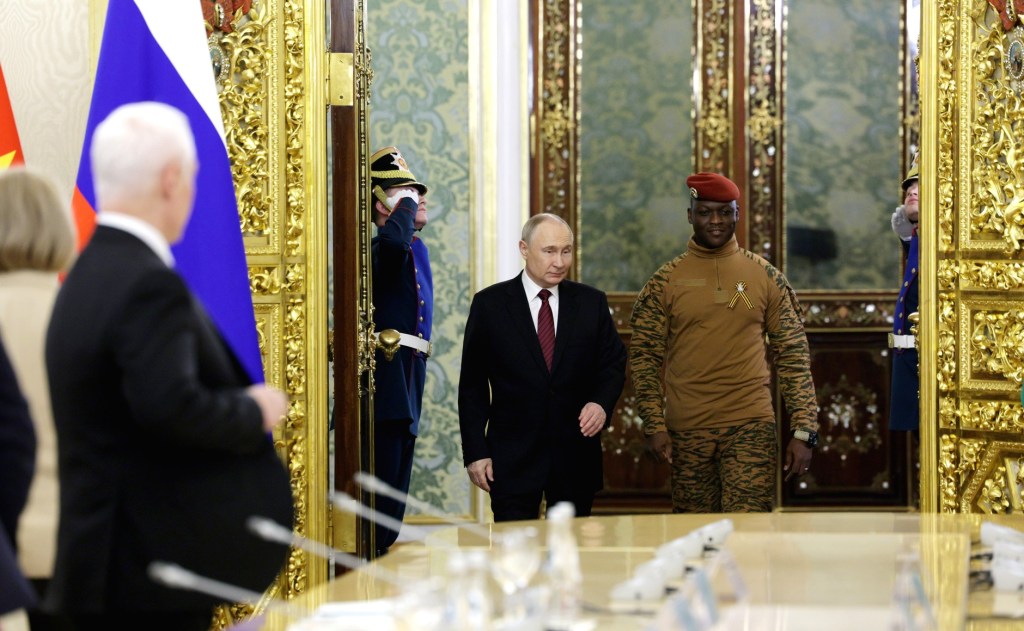
Regional and Geopolitical Context
Collaboration with Mali: The agreement follows Russia’s approval of similar nuclear deals with both Burkina Faso and Mali, signaling a broader regional partnership.
Strategic Importance: For Russia, this deal strengthens its influence in Africa, particularly among francophone countries seeking alternatives to traditional Western partners.
Next Steps: Burkina Faso’s Minister of Energy indicated that the country awaits technical and financial proposals from Rosatom, which will inform further progress on the electronuclear program.
Significance
This agreement opens new prospects for Burkina Faso to meet its rising electricity demand and improve energy security. It also positions Russia as a key partner in Africa’s nuclear energy sector, reflecting Moscow’s broader strategy to expand its geopolitical and economic footprint on the continent.
“The signing opens new prospects for Burkina Faso and marks the end of several steps that had to be followed. So from now on, the way is open in terms of cooperation and the electronuclear program with the Russian Federation.”
— Yacouba Zabré Gouba, Burkina Faso’s Minister of Energy


 Inside The Diaspora
Leave a comment