
For decades, Africa has often been portrayed to the world through a narrow lens—one dominated by poverty, conflict, and crisis. Headlines about Ebola, civil wars, refugee camps, or food shortages have dominated coverage. While these realities exist, they do not define an entire continent of over a billion people, dozens of cultures, innovation and rapidly evolving societies. Yet, these partial narratives have persisted.
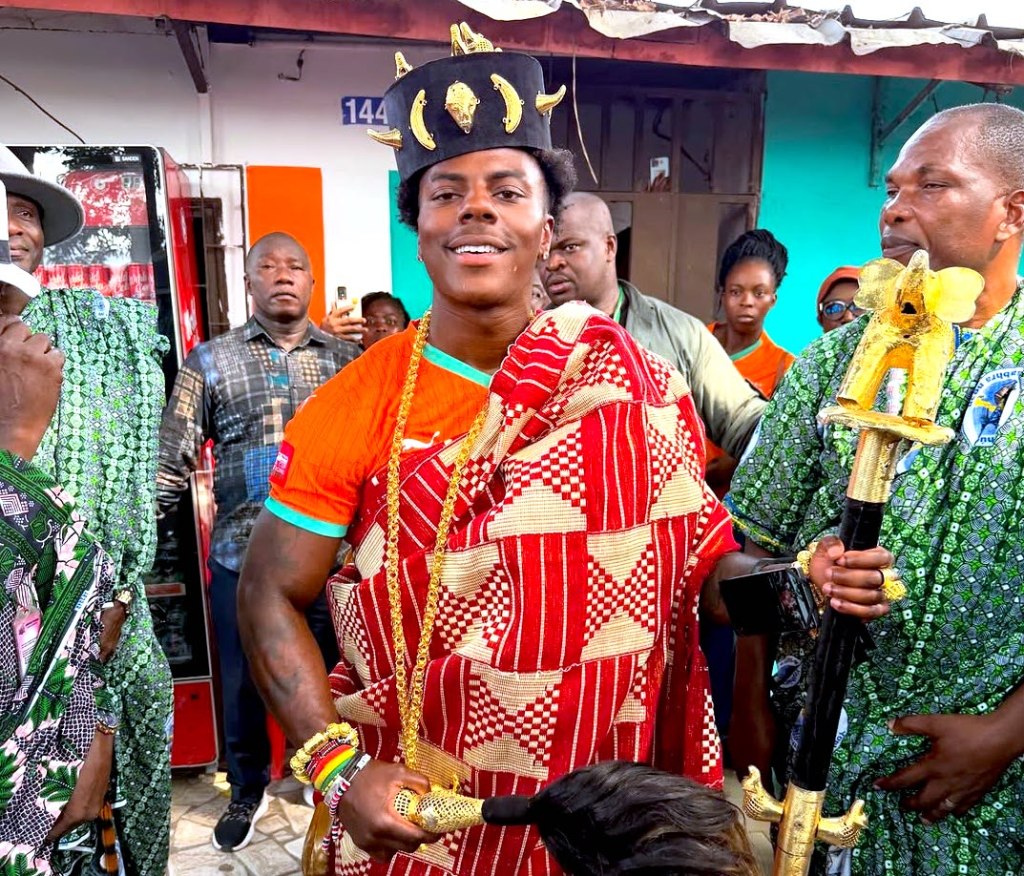
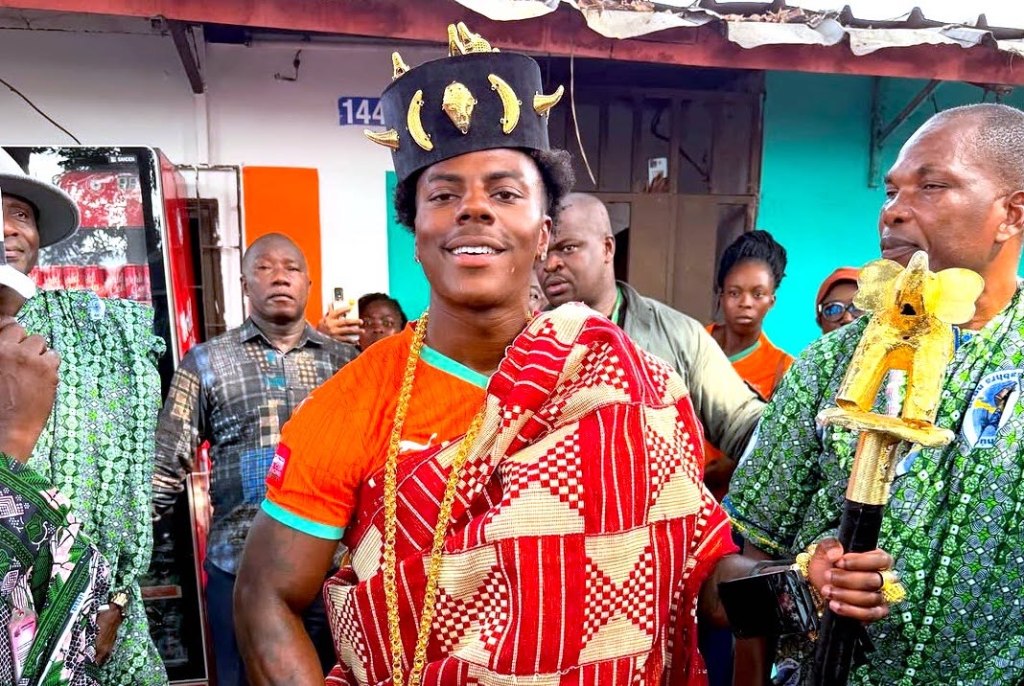
When 21-year-old American streamer IShowSpeed, known for his explosive livestreams and viral internet moments, teamed up with renowned Pan-African activist Chakabars and launched his “Speed Does Africa” tour, he did more than crisscross 20 African countries (Algeria, Angola, Benin, Botswana, Egypt, Eswatini, Ethiopia, Ghana, Ivory Coast, Kenya, Liberia, Morocco, Mozambique, Namibia, Nigeria, Rwanda, Senegal, South Africa, Zambia, and Zimbabwe)in 28 days—he disrupted a deeply rooted global narrative.
Through unscripted livestreams and spontaneous interactions, Speed showed an Africa that is rarely centered in international media: welcoming communities, lively streets, modern cities, rich cultures, and ordinary people living full, joyful lives. By simply being present and sharing what he saw, he allowed millions of viewers to witness Africa without filters or pity-driven storytelling.
What makes this shift significant is scale. With tens of millions of followers, Speed’s content reached audiences who may never read academic critiques of media bias or watch documentaries about African progress. Instead, they encountered Africa through humor, curiosity, and human connection—making the narrative change both accessible and powerful.
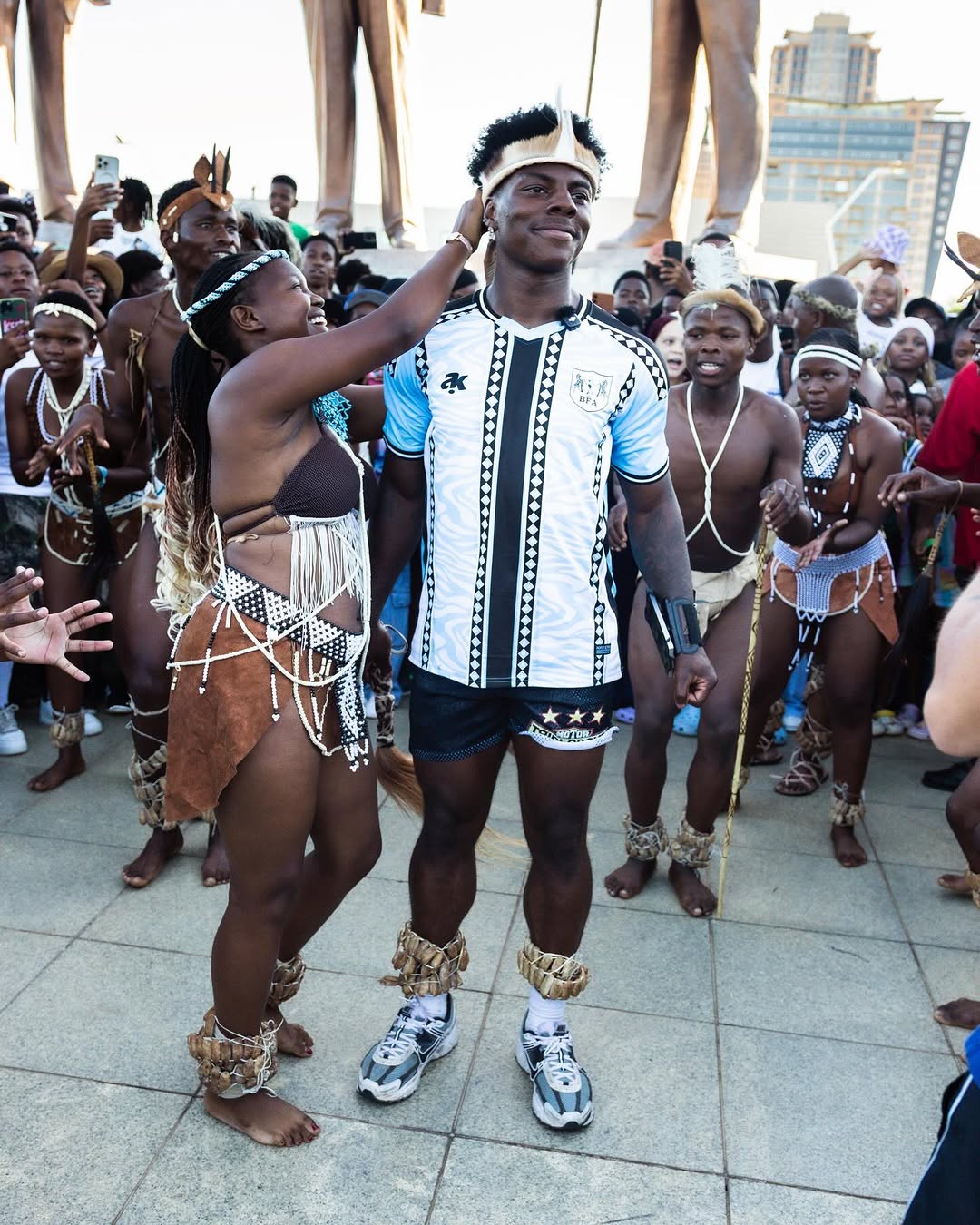
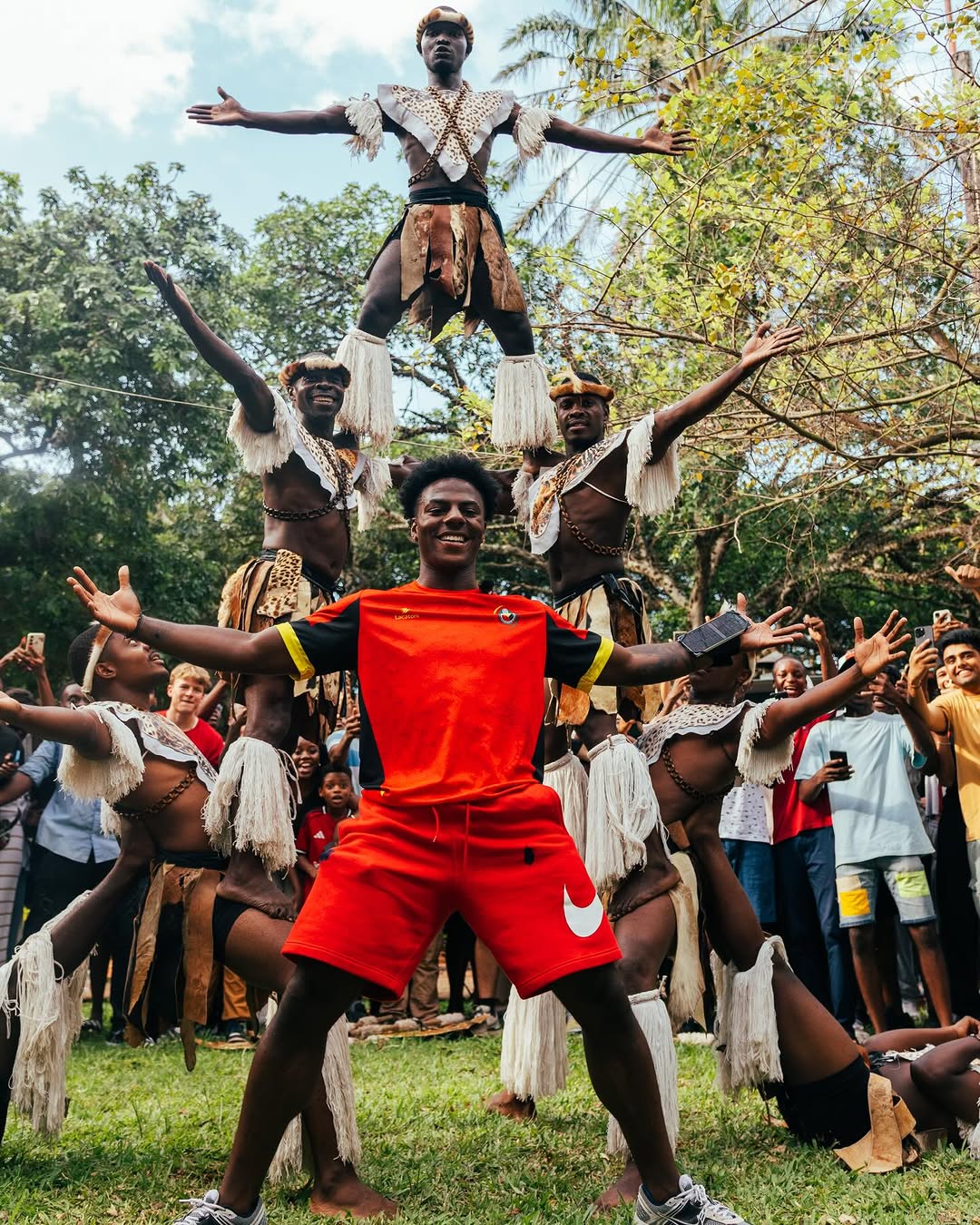
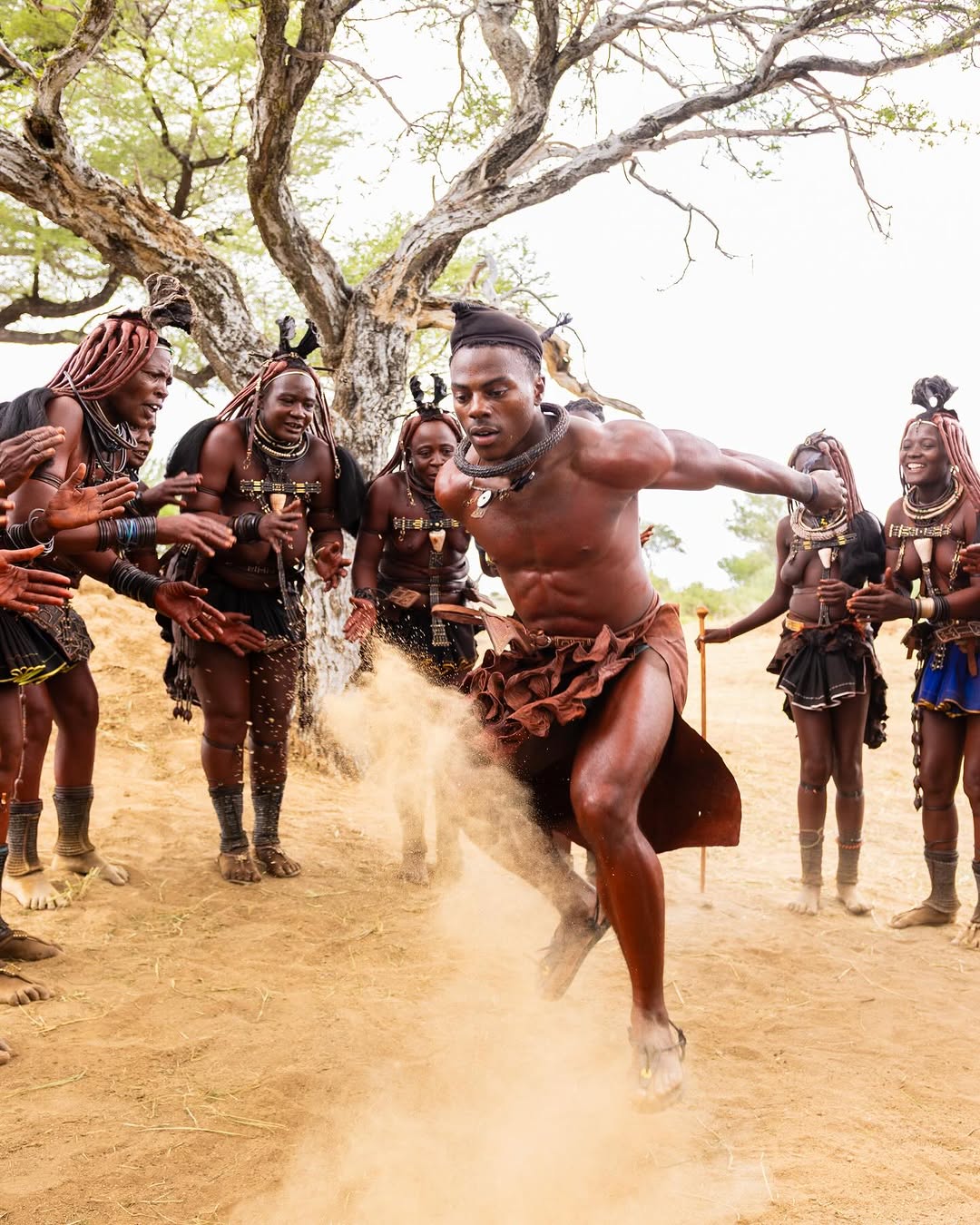
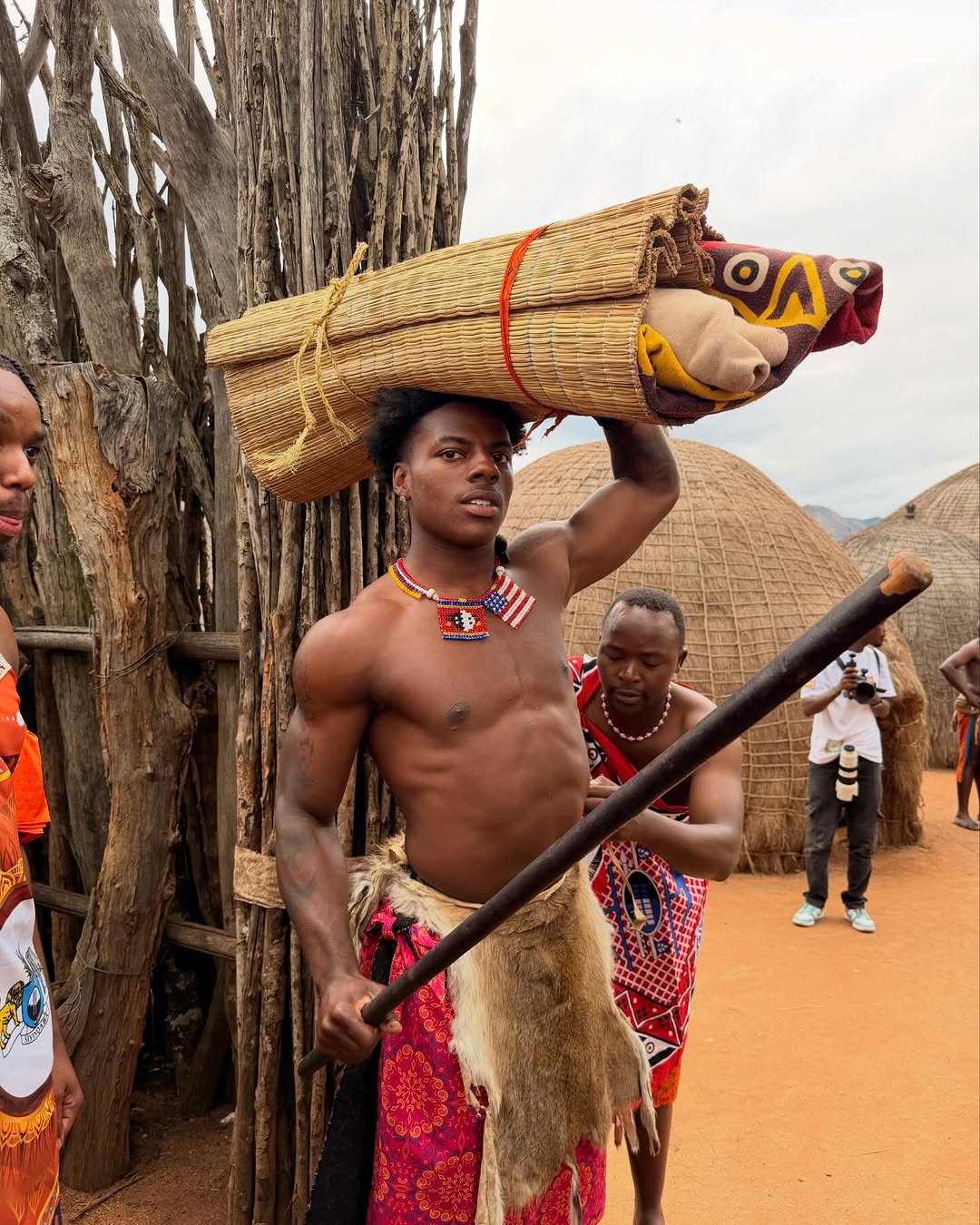
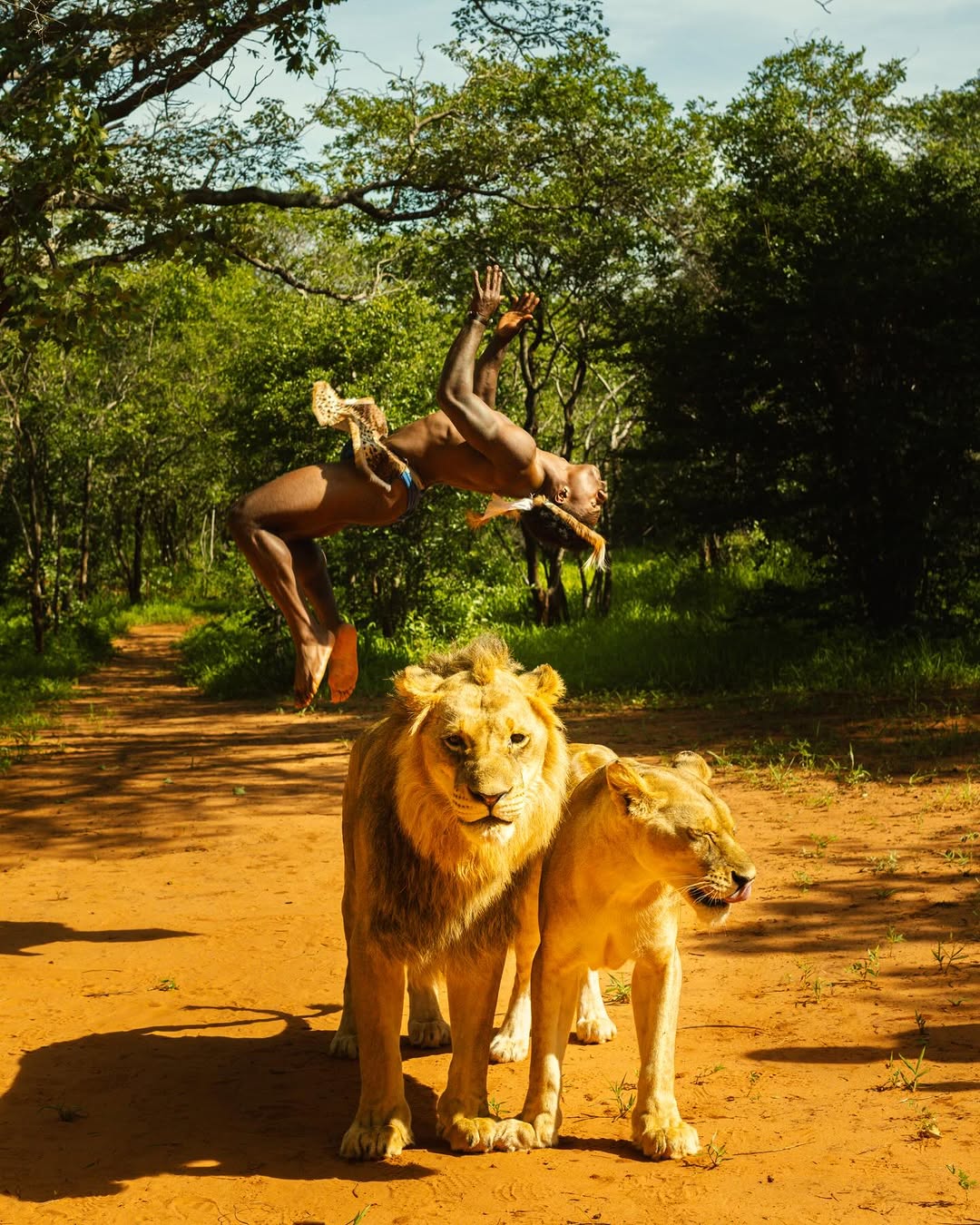
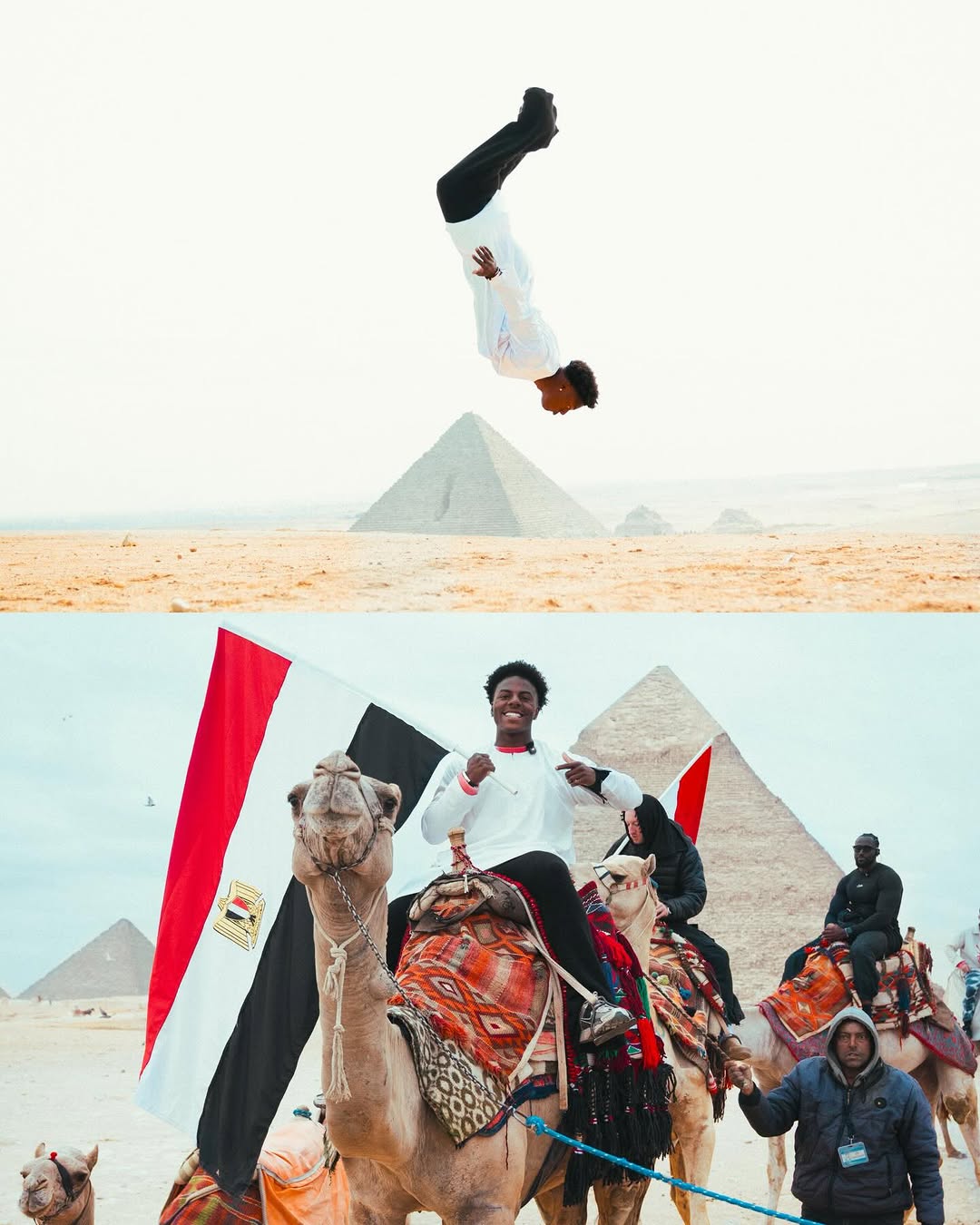
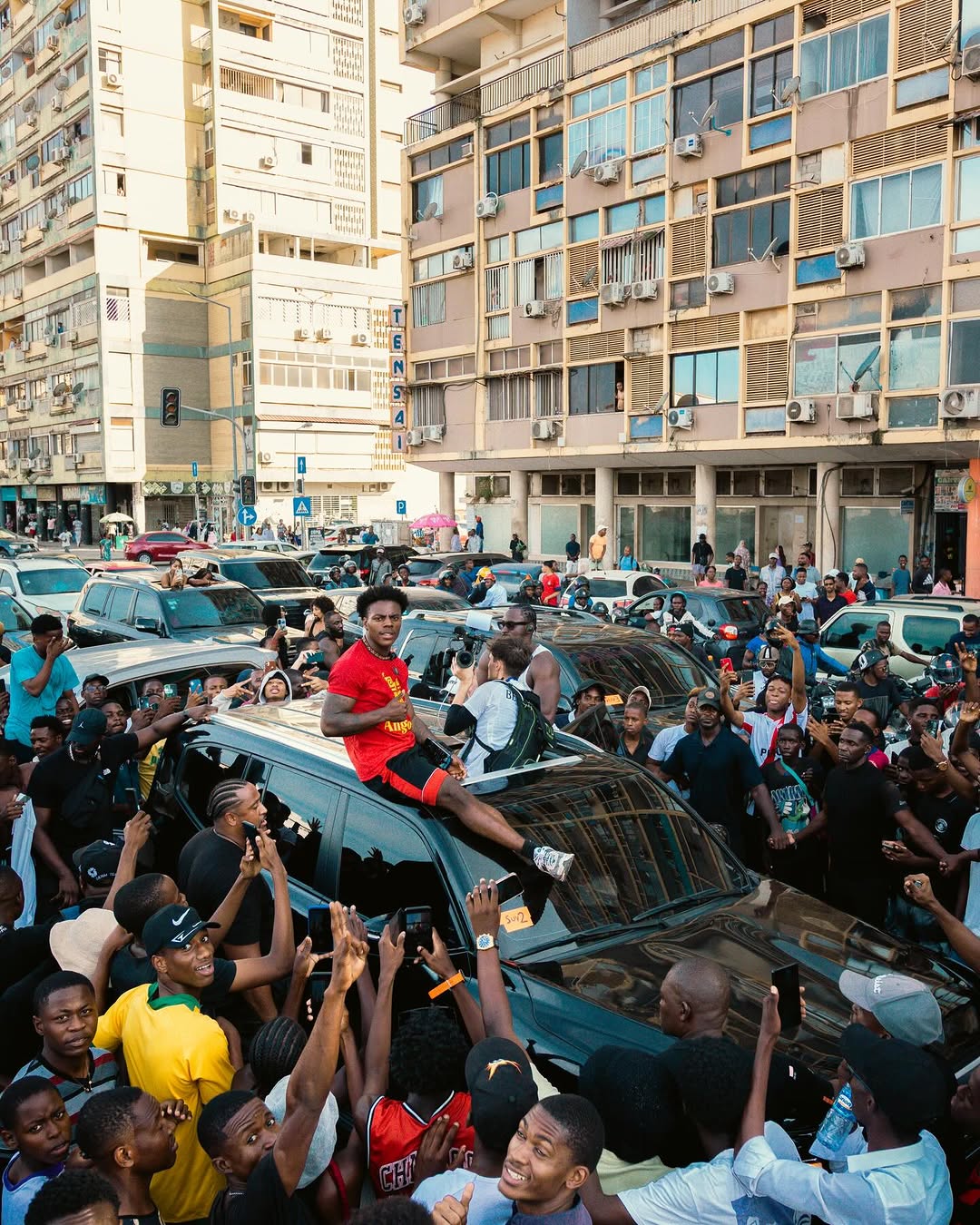
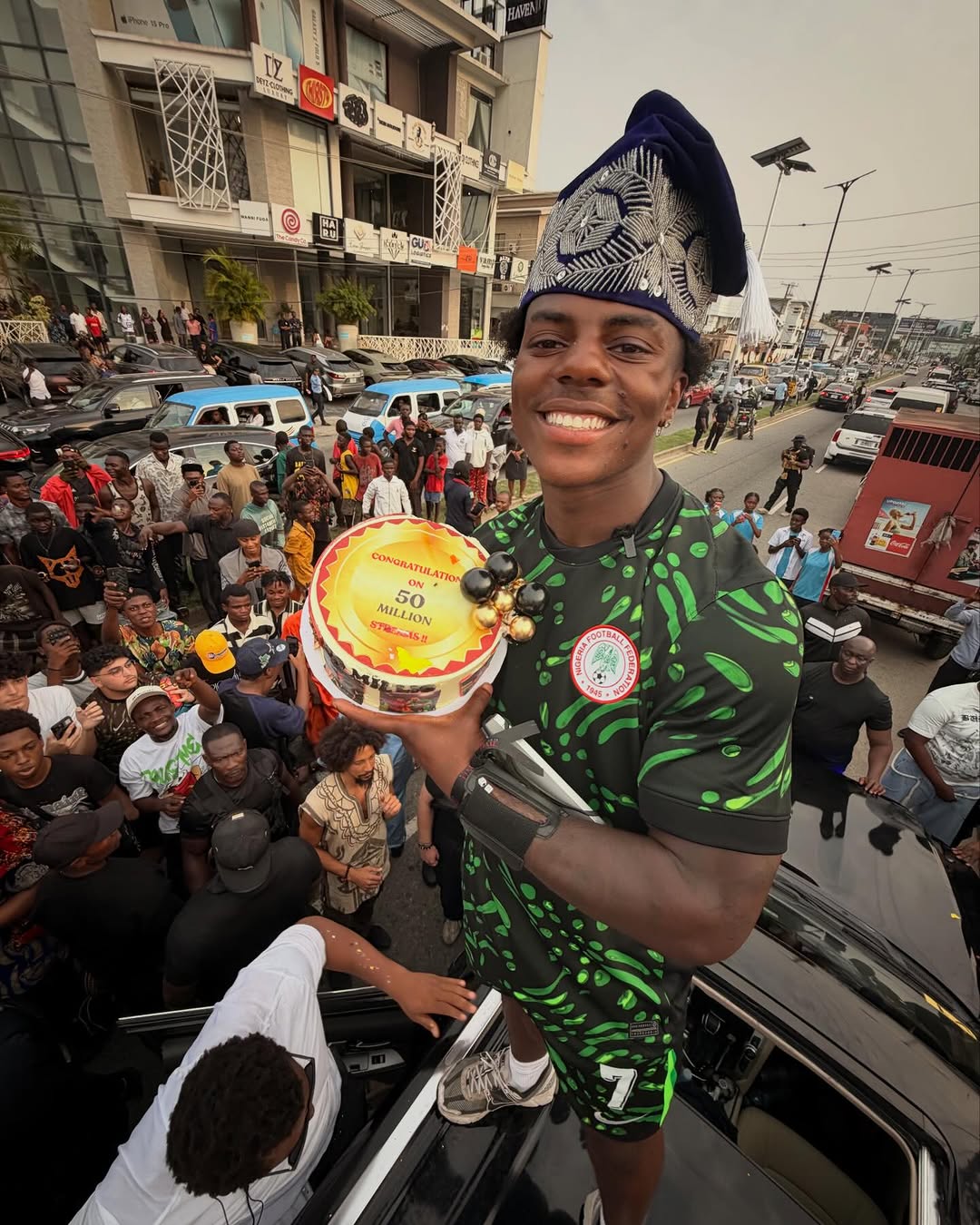
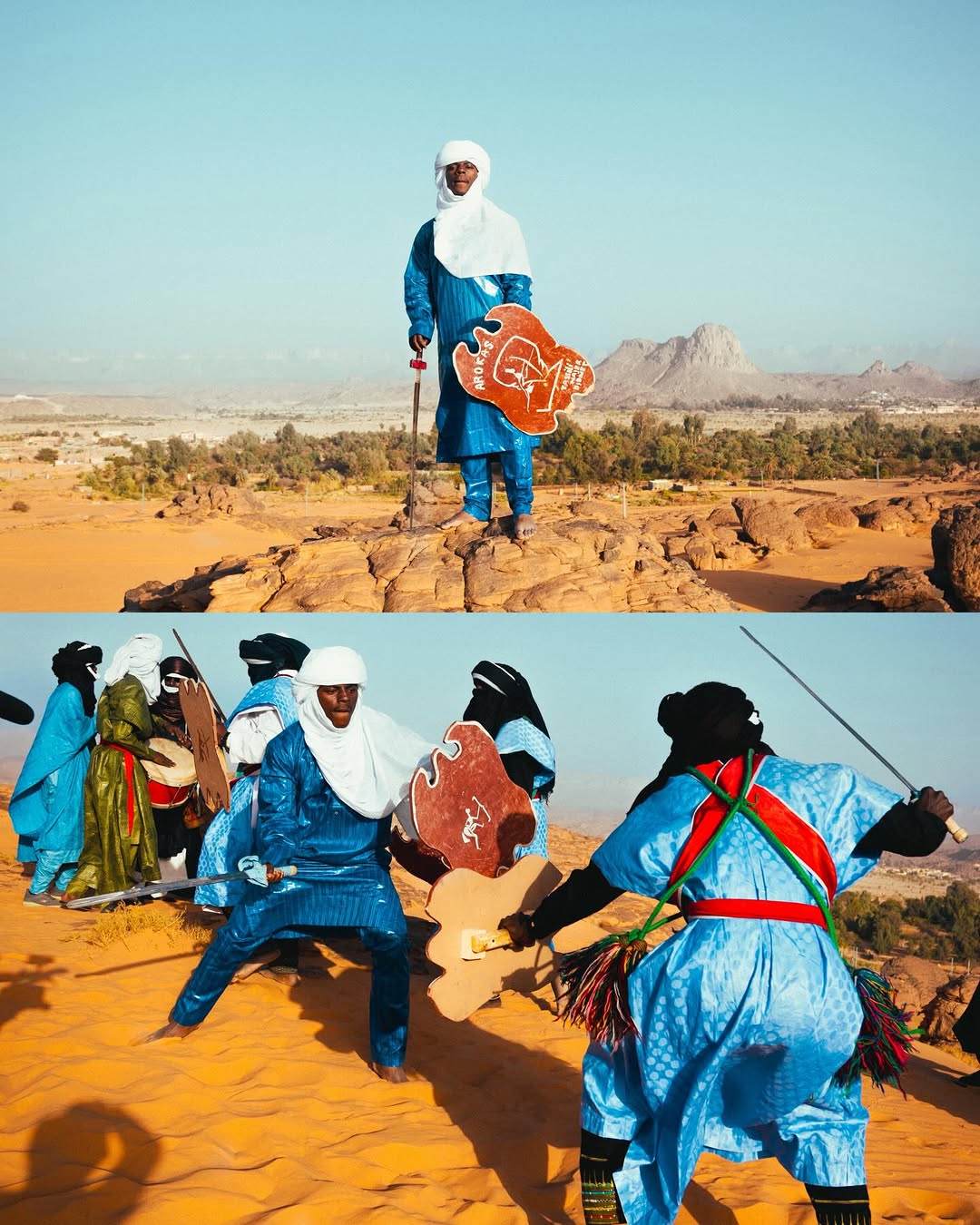
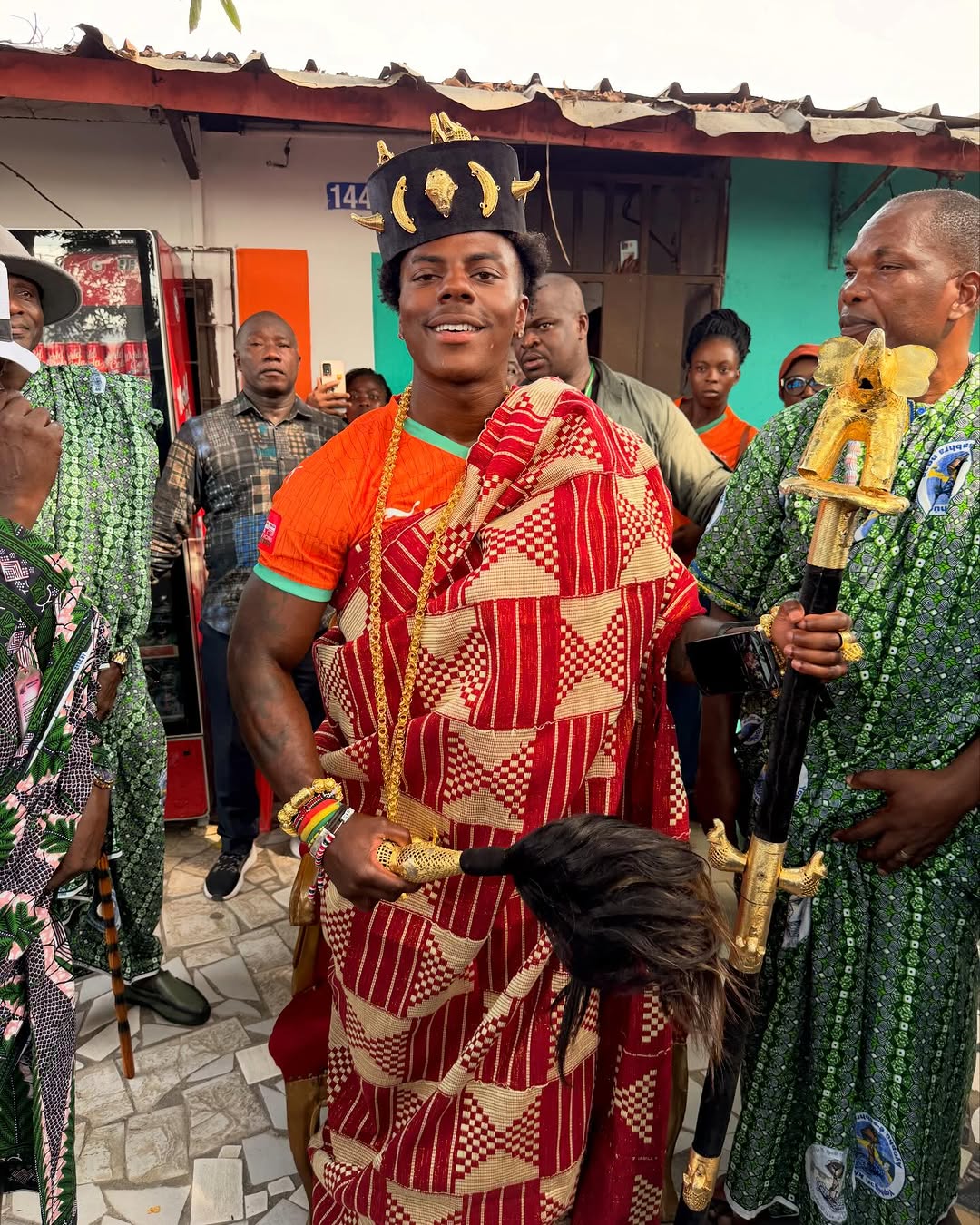
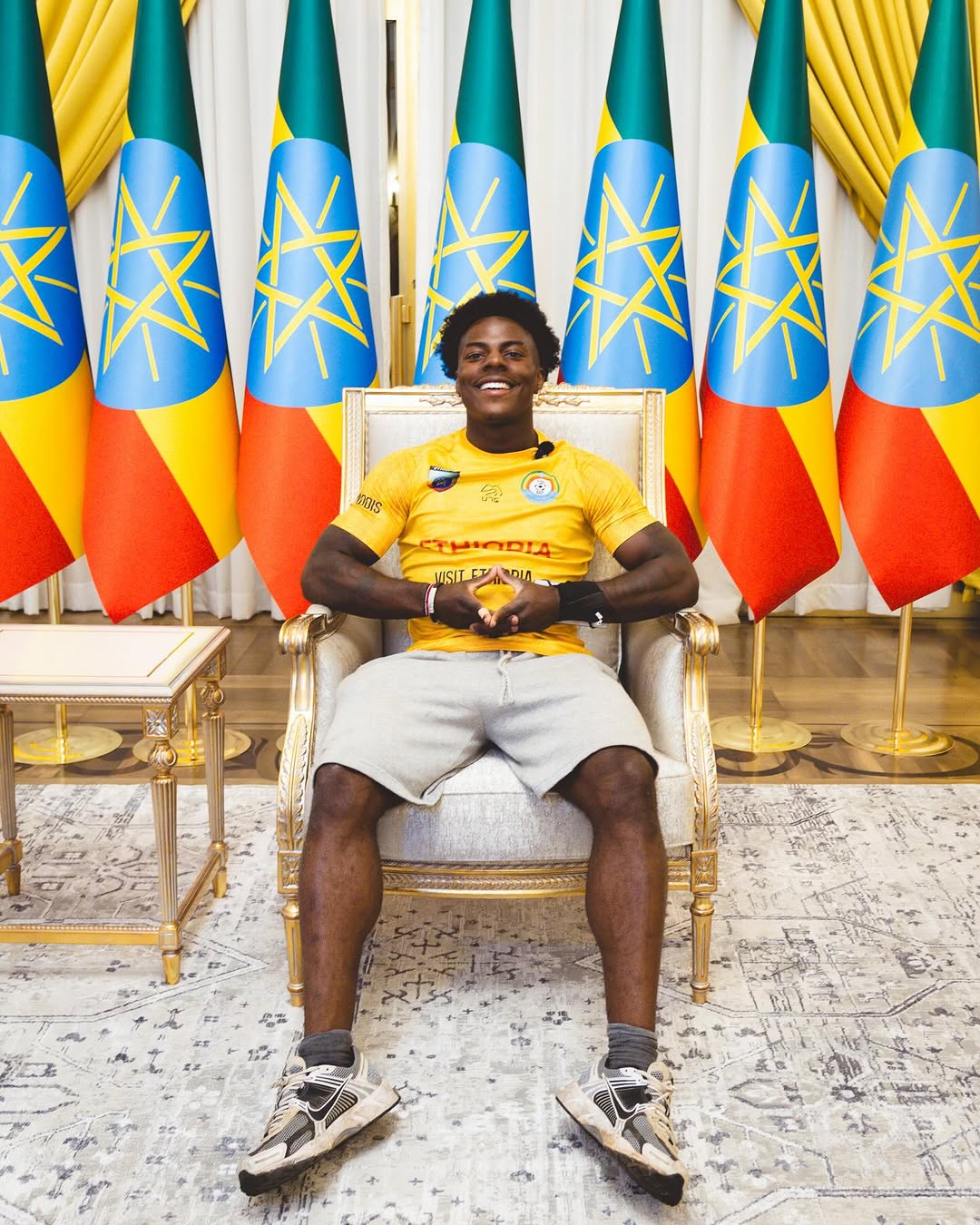
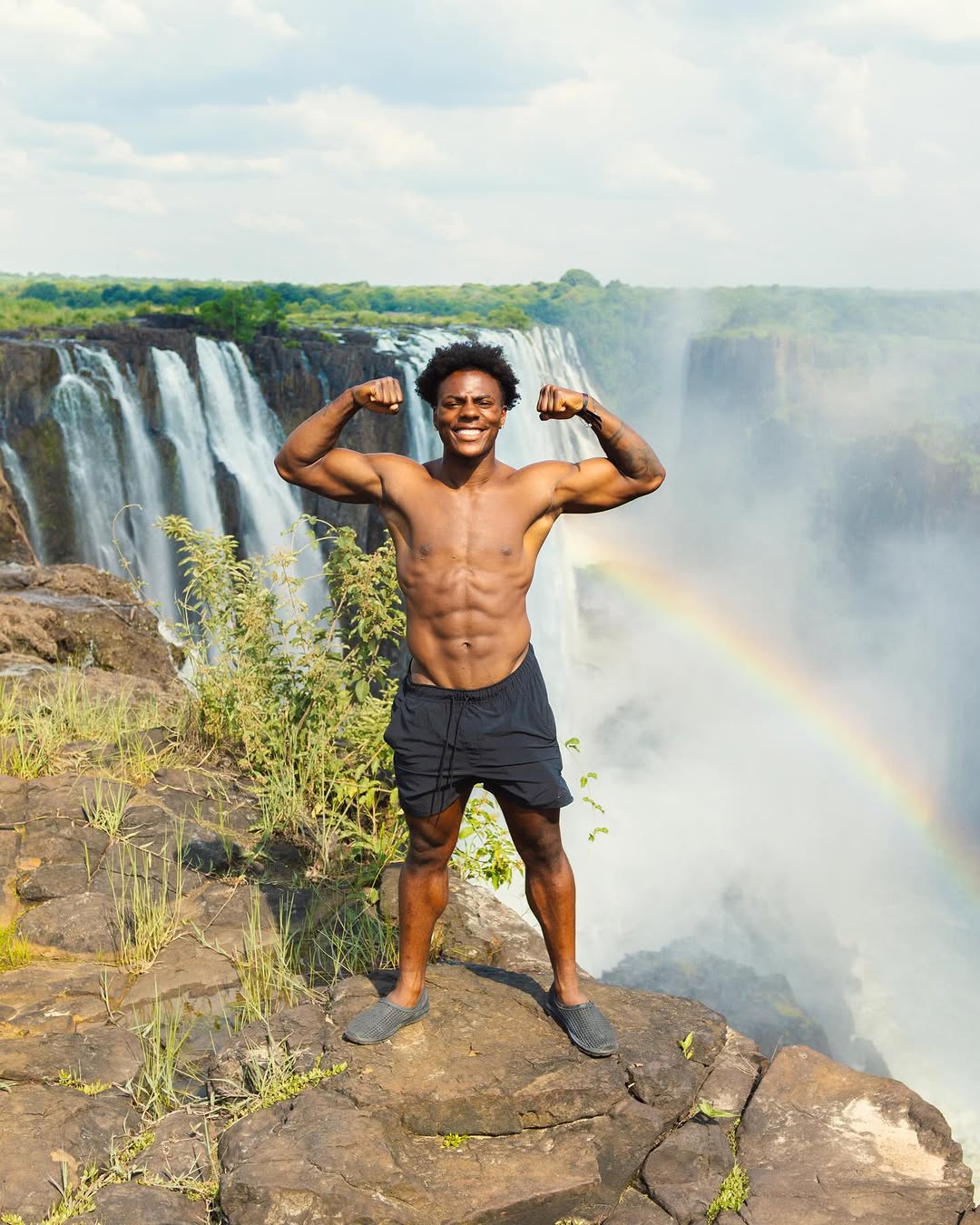
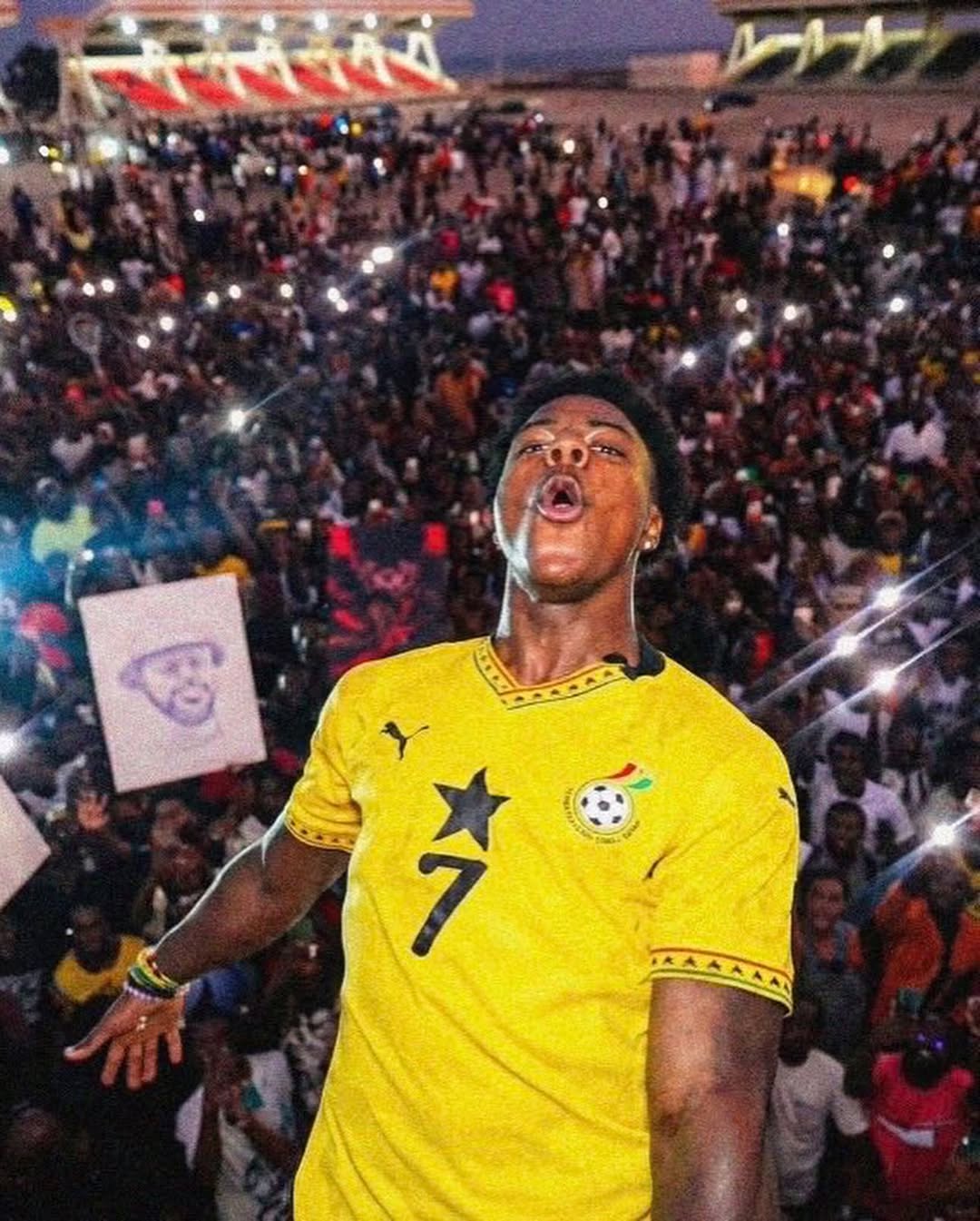

Changing the narrative does not mean ignoring Africa’s challenges. It means refusing to reduce the continent to them. “Speed Does Africa” demonstrated that representation matters, and that authentic storytelling—especially when amplified by global digital voices—can reshape how Africa is seen, discussed, and approached.
In a world where perception often dictates opportunity, changing the narrative is not symbolic. It is consequential.
IShowSpeed Africa tour
Speed Does Africa
IShowSpeed viral moments
Africa travel content
African culture online
 Inside The Diaspora
Leave a comment